Emergency cooling

Emergency Cooling Tub for Event Medical Support

Trail races, marathons, Hyrox: exertional heat stroke affects participants and medical post teams alike. The Kollder tub deploys in under 2 minutes, by one person, directly on site.

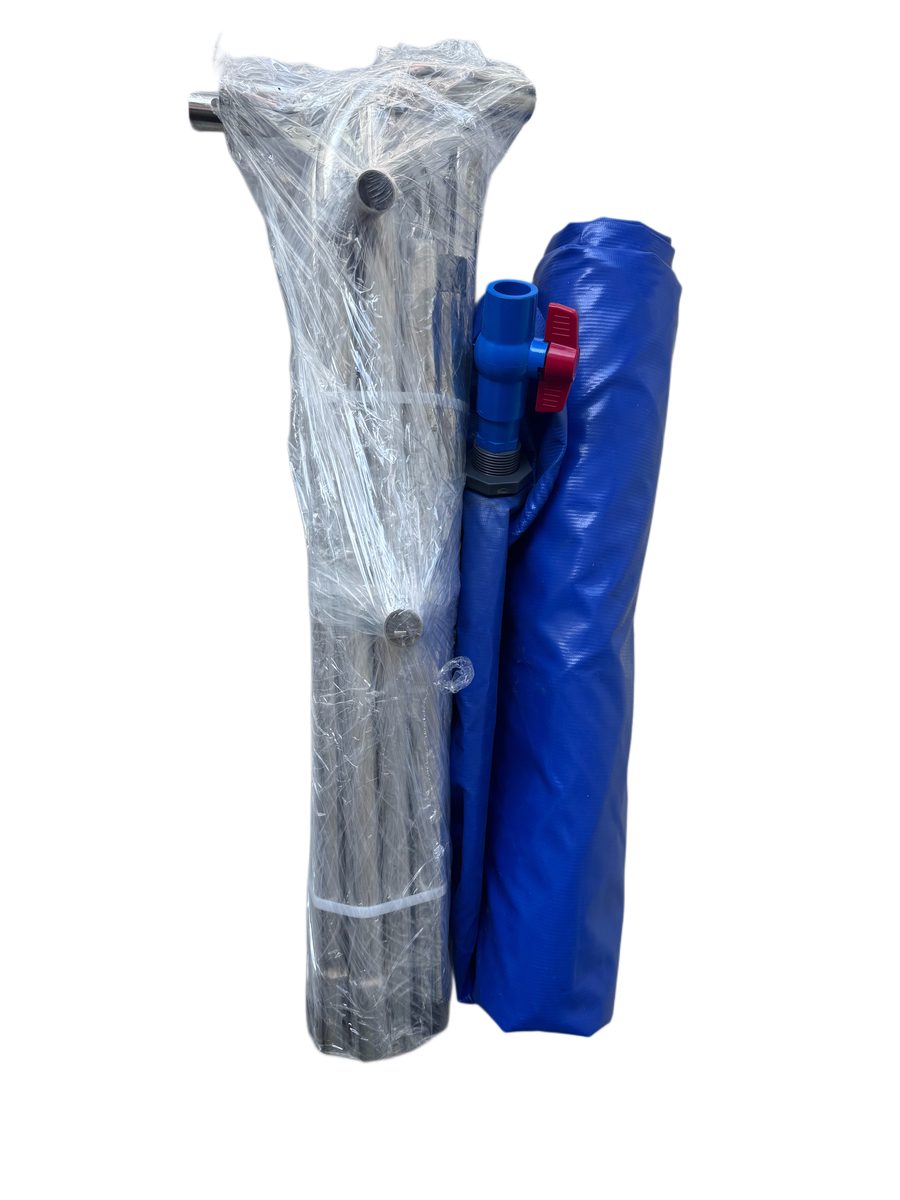
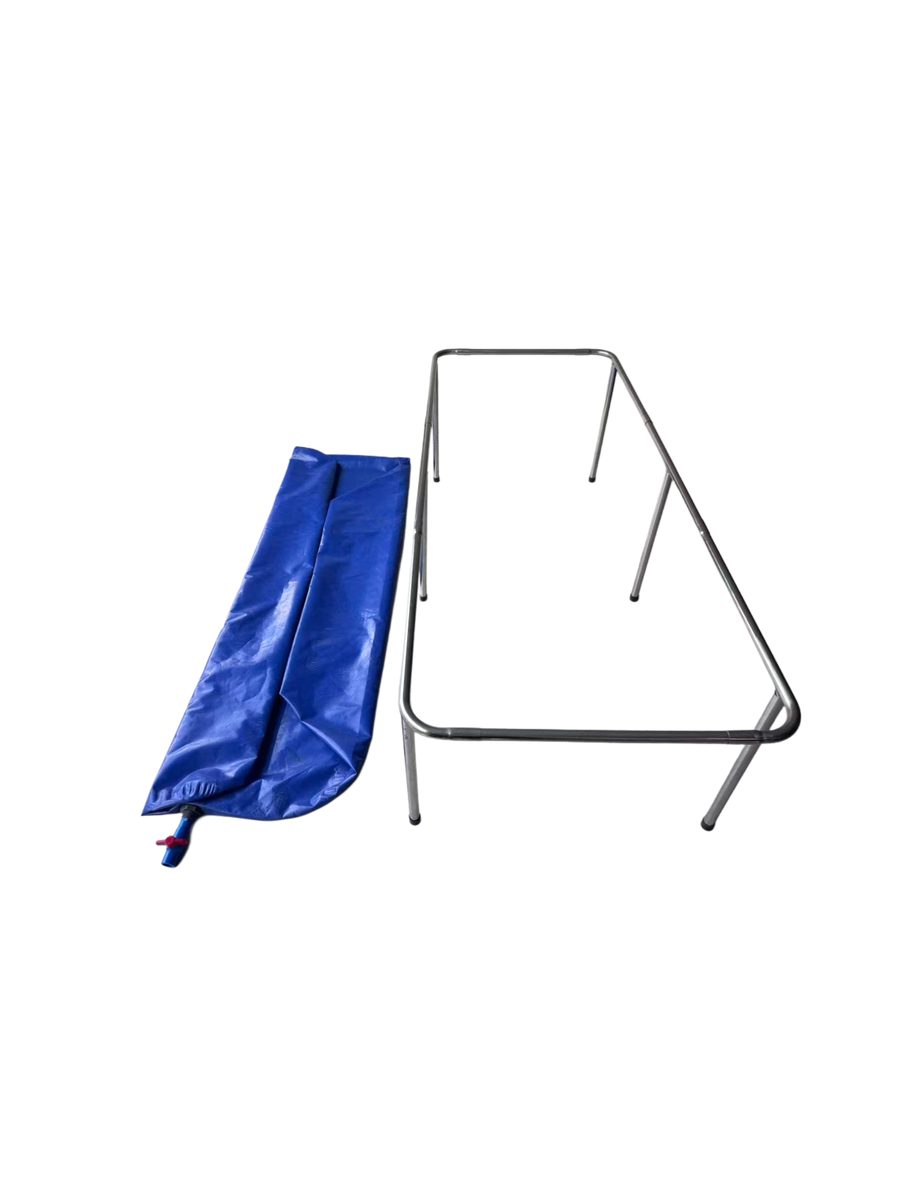
205 × 80 × 60 cm deployed 85 × 10 × 10 cm folded
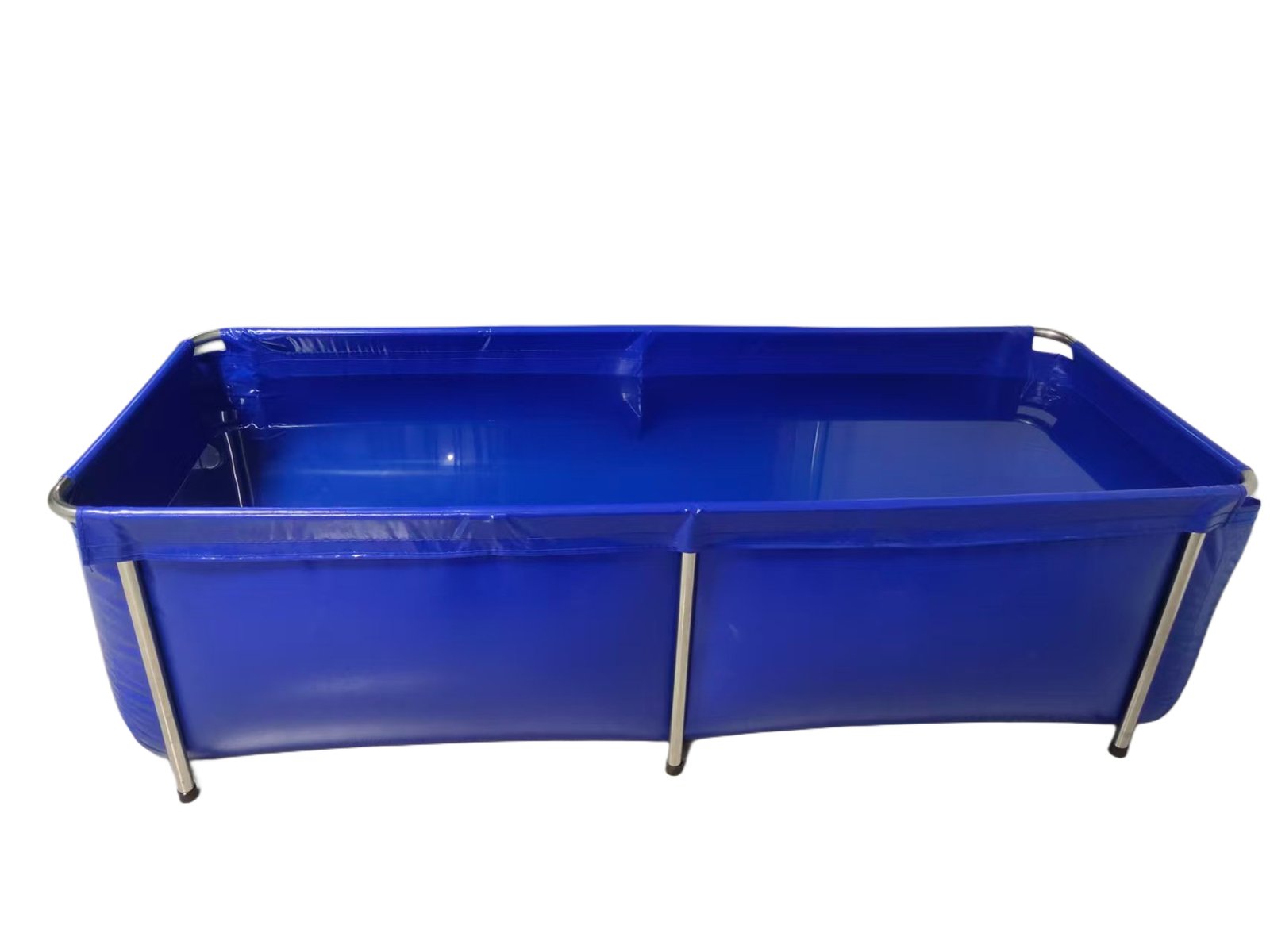
Tub deployed
Tub folded
Steel structure
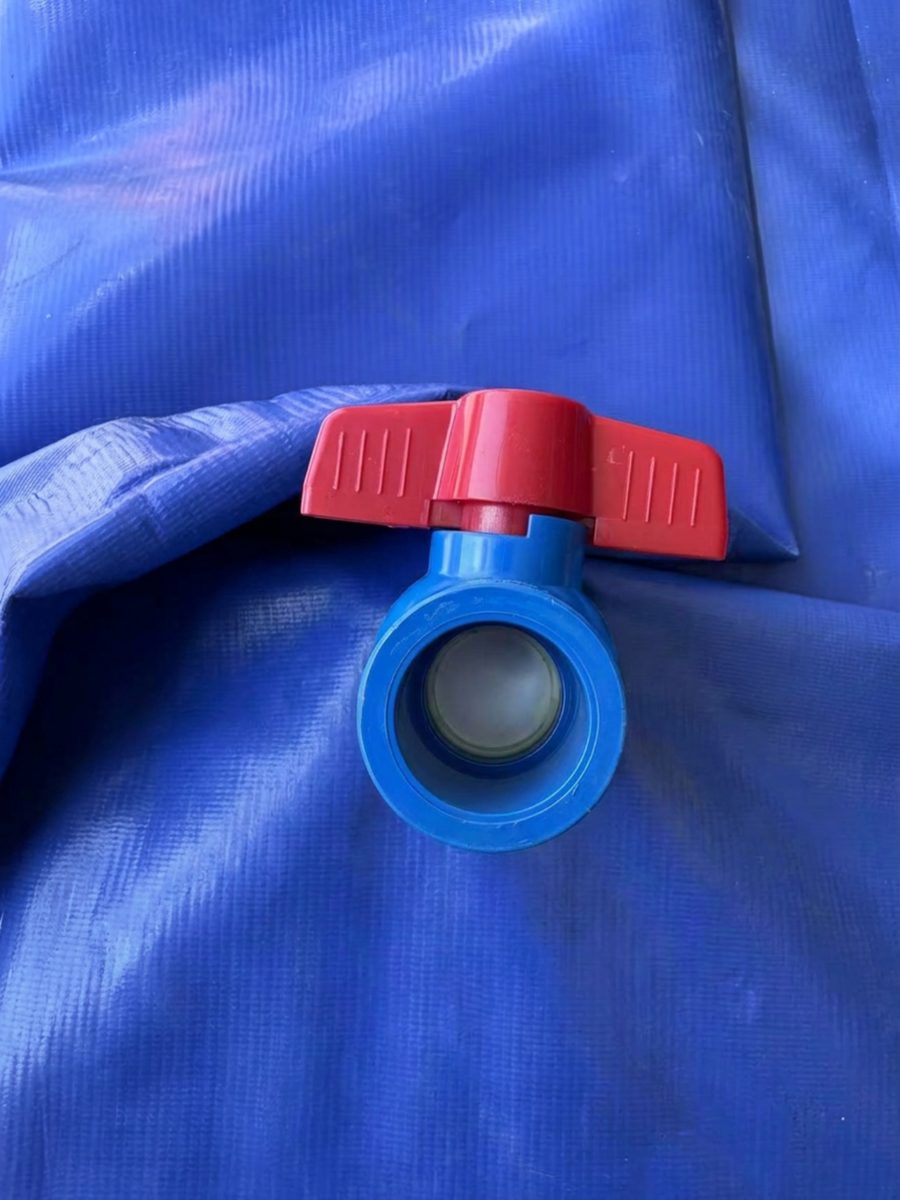
Drain valve

Kollder in the field

Deployed.
Wherever it's needed.

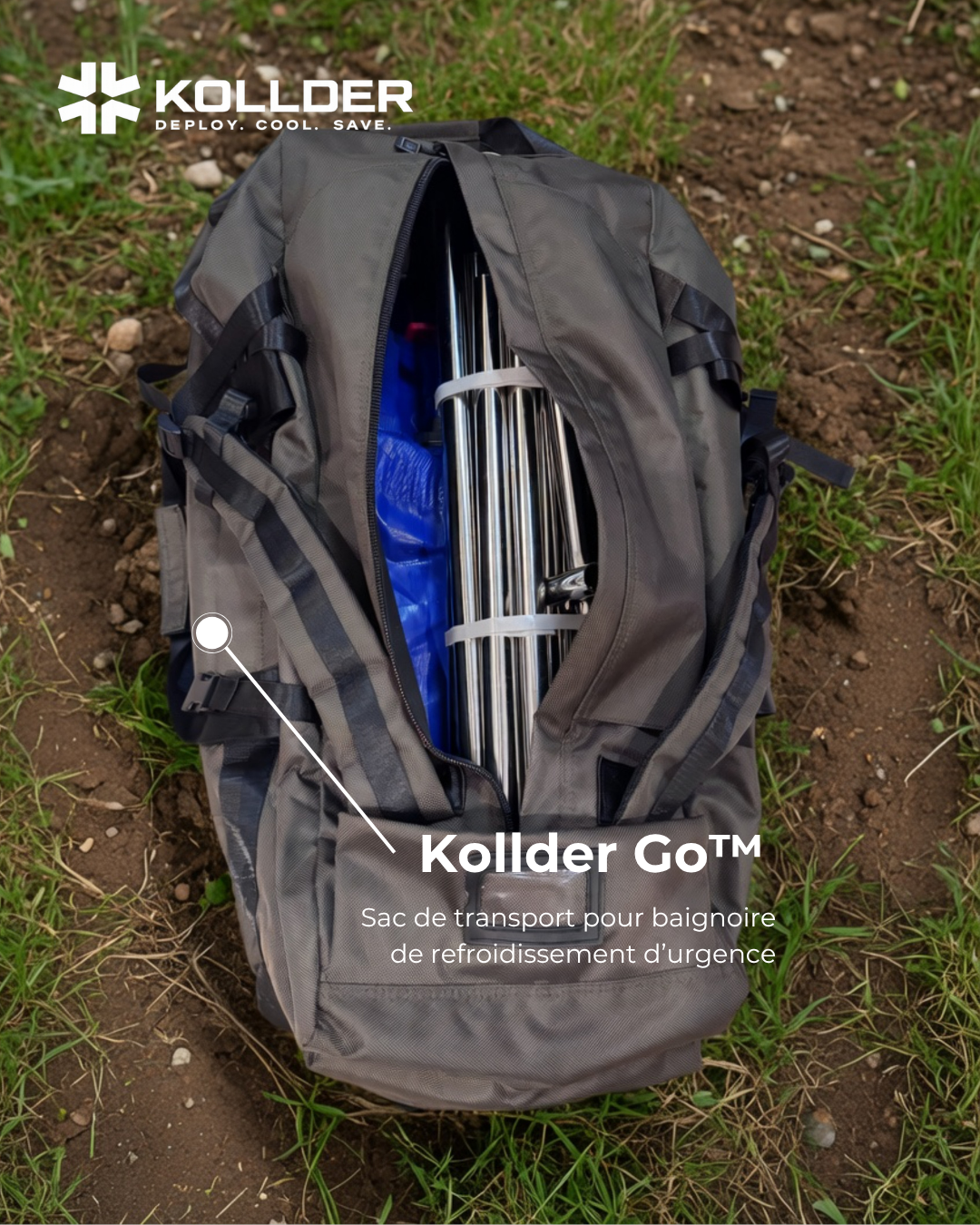
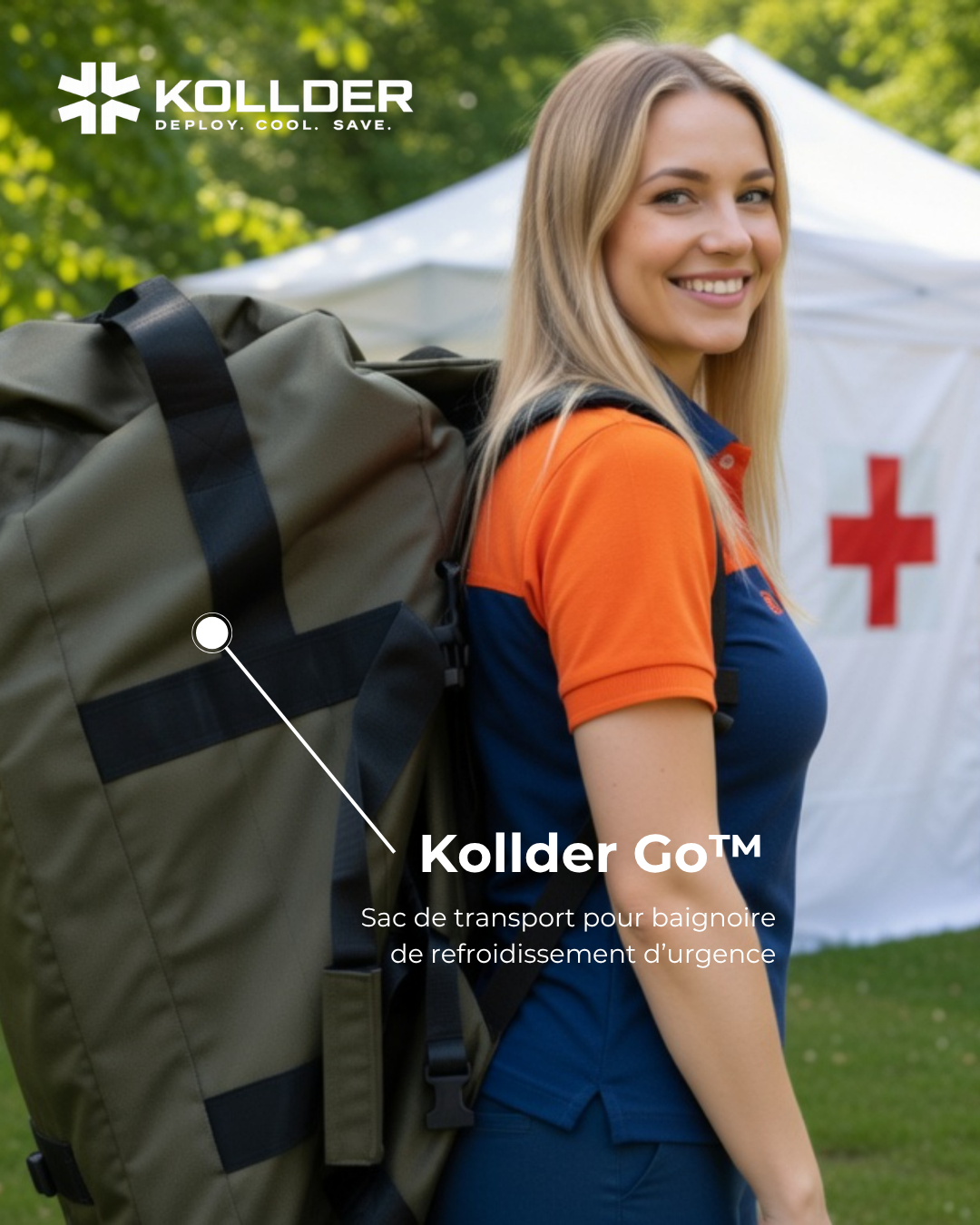
Kollder Go - Ground response
Kollder Go - Event medical post
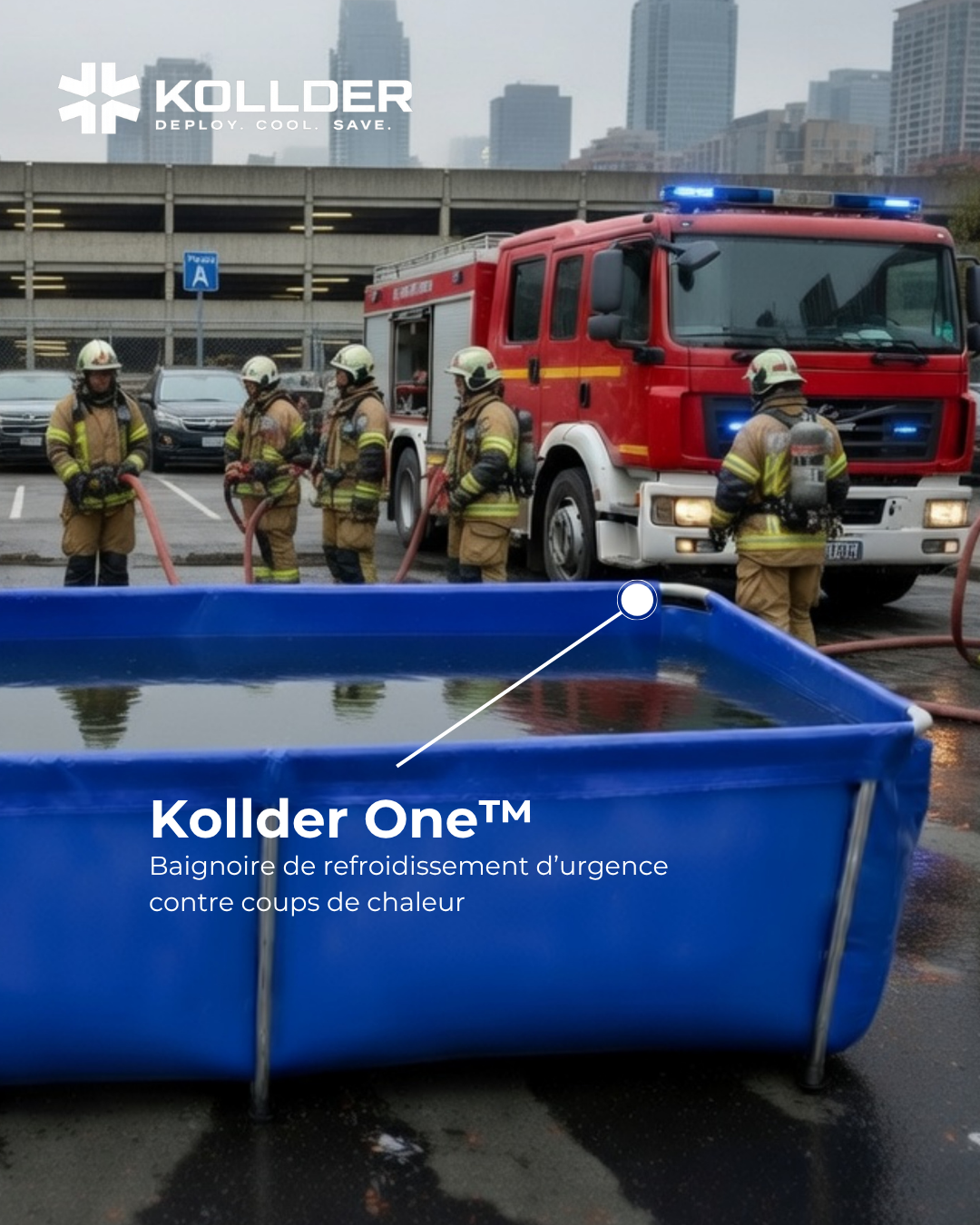
Kollder One - Firefighters
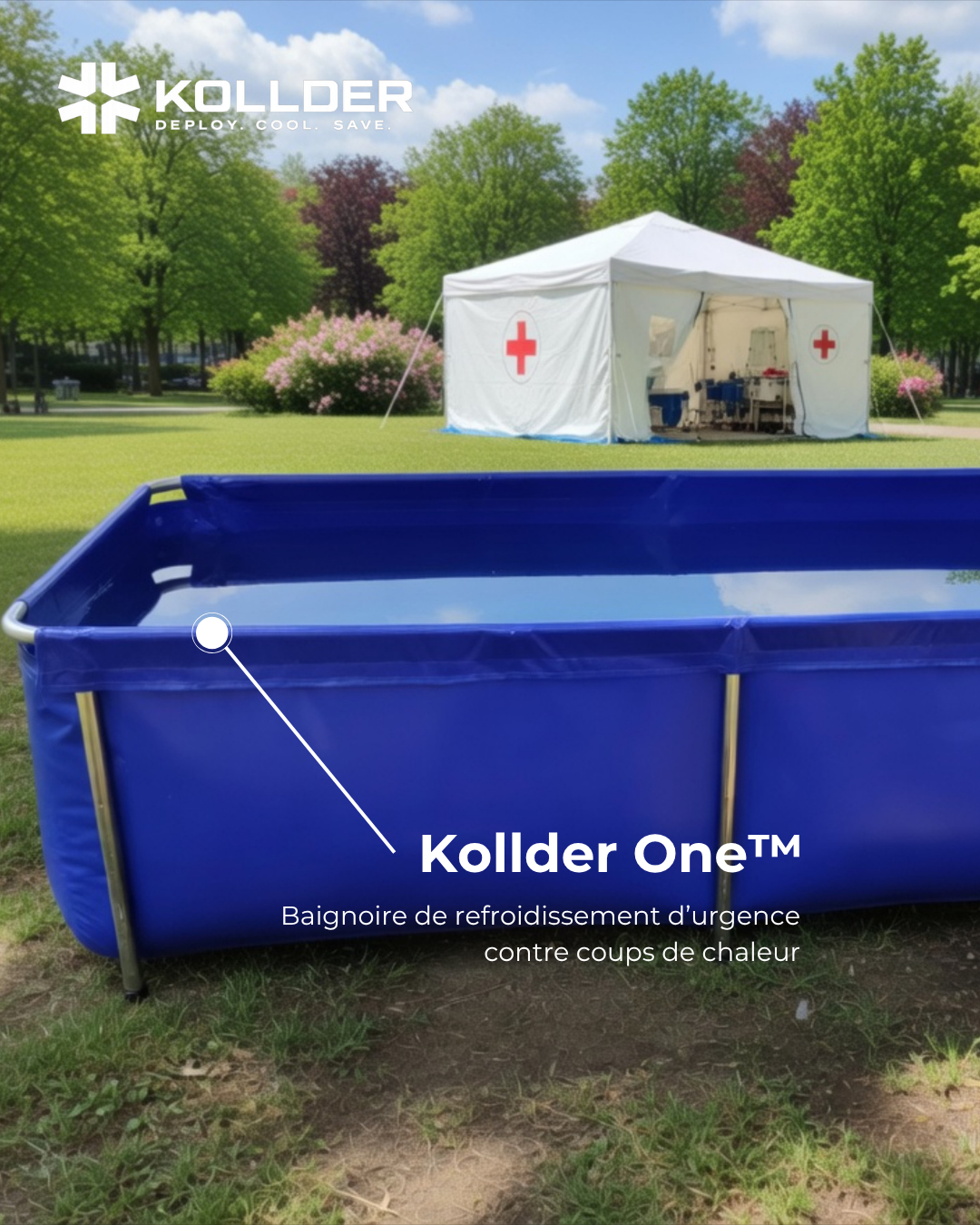
Kollder One - Event medical post
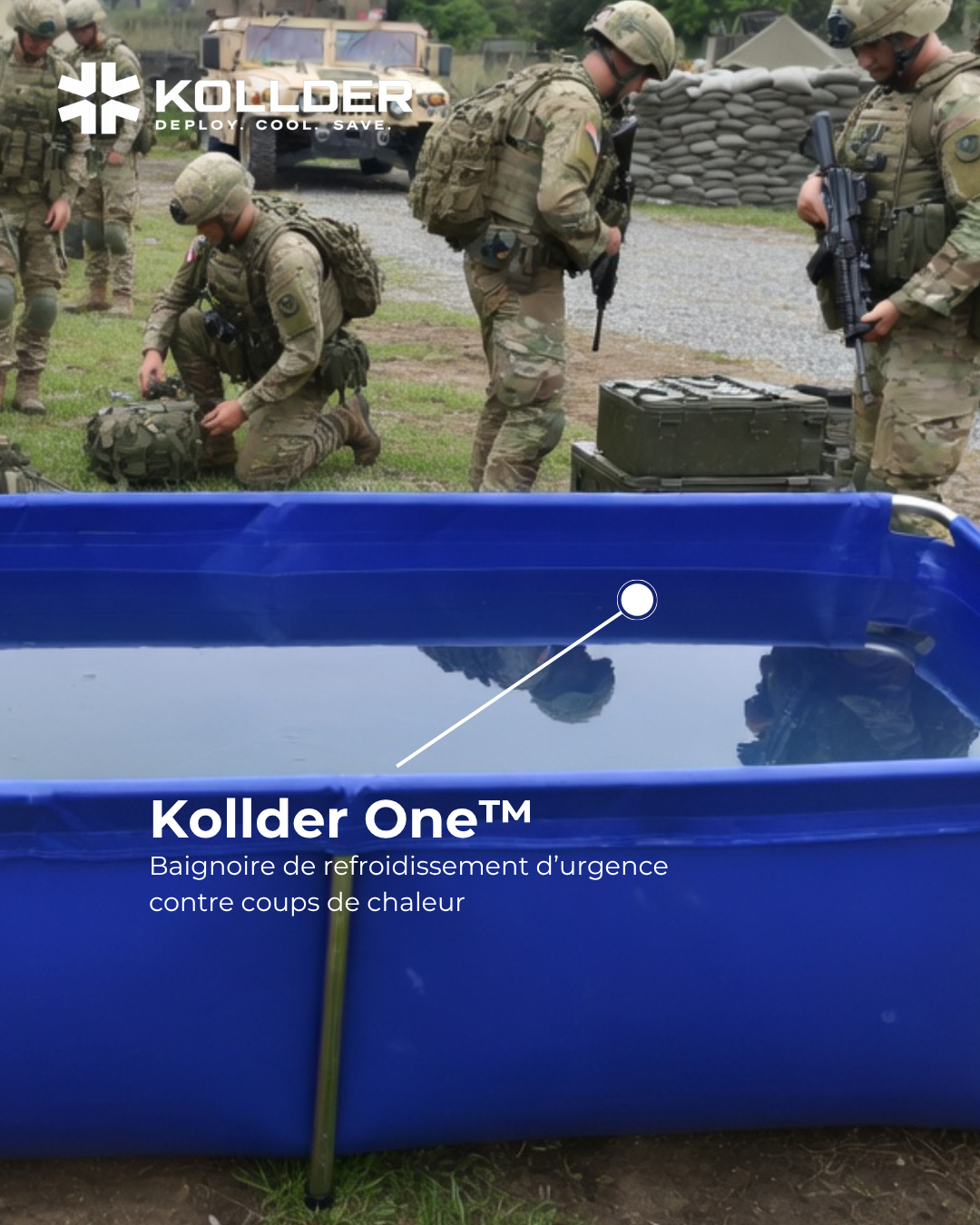
Kollder One - Military medical team

A documented risk on two fronts for event medical support

Exertional heat stroke (EHS) affects an event medical setup in two distinct ways. First, the participants themselves, exposed to prolonged effort in heat, sometimes over several hours of racing. Second, the volunteers and medical staff at the advanced medical post, working in the same location and the same conditions.

For a complete breakdown, read our case review on the Lyon Hyrox fatality and our heat stroke protocol for event medical teams.

50%+
EHS mortality without proper cooling
30 min
Critical window to bring core temperature below 40°C
→ 0
Mortality with a correctly applied immersion protocol

Cool First, Transport Second: the reference protocol

The foundational rule validated by the ACSM and the International Olympic Committee applies right at the finish line or the aid station: never evacuate a runner with exertional heat stroke before cooling them. Cold water immersion remains, to date, the only method with a cooling rate that is clinically fast enough.

×10
cooling rate

Whole-body cold water immersion cools at 0.35°C per minute, compared to roughly 0.03°C per minute for wet towels or ice packs. Source: Casa DJ et al., Exercise and Sport Sciences Reviews, 2007.

100%
documented survival

Across 401 exertional heat stroke cases treated with immediate cold water immersion, survival is 100% when core temperature drops below 40°C within 30 minutes. Source: Korey Stringer Institute, Douglas Casa, UConn.

Regulatory
momentum is building

OSHA's proposed heat injury and illness prevention standard is pushing US event organizers toward documented heat response equipment. France has already made this mandatory for sporting event organizers under Décret n°2025-482.

Why dedicated equipment, not an improvised fix

At an advanced medical post, an inflatable pool or muscle-recovery ice tubs sometimes get pressed into service as a stopgap. They work to a degree, but they guarantee neither the clinical cooling rate nor enough patient access for monitoring.

Our comparison of cooling methods breaks down the performance gaps between these approaches and a dedicated immersion device.

What isn't enough at a medical post

  • Recovery ice tubs, not built for medical emergencies
  • Inflatable pool, too slow to set up at a mobile post
  • Misting alone, cooling rate too low

Selection criteria for event medical support

Cooling equipment intended for an advanced medical post has to meet precise requirements, regardless of brand. Kollder One™ and Kollder Go™ spec sheet below.

Under 2 minutes

Single-operator deployment, no tools required.

The equipment needs to be operational from the moment the medical post opens, with no lengthy training and no extra volunteer tied up on deployment.

Kollder One™

A structure built to hold up in the field.

205 × 80 × 60 cm deployed. Stainless steel frame, SS304 stainless hinges (Ø6mm), 6 contact points with cross-bracing: it holds a runner steady on uneven ground or hot pavement, without shifting.

Kollder Go™

Built for an advanced medical post, no vehicle needed.

Hybrid transport bag, 85 × 10 × 10 cm folded, 11.1 kg, carried as a backpack or rolled to the medical post, with no dedicated vehicle required.

Food-grade stainless

360-degree patient access, easy to disinfect.

Whole-body immersion with full patient access allows clinical monitoring throughout cooling. The food-grade stainless steel structure cleans and disinfects quickly between patients.

Field use cases

Four operational situations where fast cooling equipment makes the difference, for participants and for the teams on site.

Medical post at a trail race or marathon

Immediate cooling at the finish line or at key aid stations. Details in our protocol for event medical teams.

Hyrox and CrossFit competitions

Intense effort indoors or outdoors, over short but high-intensity durations. See our article on the cooling tub at the Hyrox medical post.

Festivals and summer gatherings

Standby medical coverage in peak heat, with a dense, largely stationary crowd in the event of a collapse.

Volunteers and medical staff on the event team

EHS risk also affects the teams on site all day, not just the participants.

Frequently asked questions

How do you treat exertional heat stroke at an event medical post?

The reference treatment, validated by the ACSM and the IOC, is whole-body cold water immersion started immediately at the medical post, before any transport. This is the Cool First, Transport Second protocol: cooling takes priority over evacuation until the athlete's core temperature drops below 38.6°C.

What should you do for exertional heat stroke at a race before advanced medical support arrives?

Immerse the runner in cold water up to the shoulders immediately and alert EMS in parallel. According to the Korey Stringer Institute, survival reaches 100% across more than 400 documented cases when core temperature drops below 40°C within 30 minutes of initial treatment.

How long does it take to deploy an emergency cooling tub at an event?

An emergency cooling tub designed for operational use should be deployable by one person, with no tools, in under 2 minutes. This is a decisive requirement at a medical post, where the equipment needs to be operational as soon as the event opens.

What criteria matter when choosing cooling equipment for event medical support?

Four criteria matter most: single-operator deployment speed, portability to the medical post with no dedicated vehicle required, an easy-to-disinfect material such as food-grade stainless steel, and 360-degree patient access for clinical monitoring throughout immersion.

Does a cooling tub fit at a race medical post?

Yes, provided it is designed for field use: folded down into a compact, lightweight format, it can be carried on foot, as a backpack, or rolled to the medical post, with no dedicated vehicle needed.

Sources ACSM International Olympic Committee Korey Stringer Institute

Request a quote for your event

Tell us what you need. We'll get back to you within 48 hours with a proposal sized to your event.

The Kollder emergency cooling tub, in brief:

  • Single-person deployment, in under 2 minutes
  • Folded: 85 × 10 × 10 cm, 11.1 kg, no dedicated vehicle needed
  • Food-grade stainless steel structure
  • Whole-body immersion, 360-degree patient access

Response within 48h. Your information stays confidential.

Further reading